

Lasting Results Begin With a Strong Foundation
Few things are more discouraging than watching a result you invested in slowly change. Visible rippling, a breast that sits lower than it used to, or tissue that feels thin and unsupported can leave you feeling self-conscious all over again. If that sounds familiar, you are not alone, and there are thoughtful solutions.
Breast tissue reinforcement gives your body the extra internal support it may be missing. By strengthening the framework that surrounds and holds your implant, this technique helps your surgeon create results that look natural and are built to stay where they belong.
What Tissue Reinforcement Can Address
Sometimes natural tissue simply is not strong enough on its own to support a repair or enhancement. Reinforcement adds a supportive layer, often described as a scaffold, that your body gradually integrates with over time. This added support may contribute to more natural-looking results and help reduce the chance of future complications.
Tissue reinforcement may be recommended to help with:
- Implants that have dropped too low or shifted out of position
- Visible rippling, especially where tissue coverage is thin
- Sagging or stretched tissue after weight loss, pregnancy, or aging
- Capsular contracture, when scar tissue tightens around an implant
- Weakened tissue from previous breast surgery


Is Tissue Reinforcement Right for Me?
Reinforcement is not a stand-alone procedure for everyone; it is a decision made case by case. Strong candidates are often patients undergoing breast revision whose tissue has stretched, thinned, or weakened over time, whether from earlier surgery, weight changes, or natural aging.
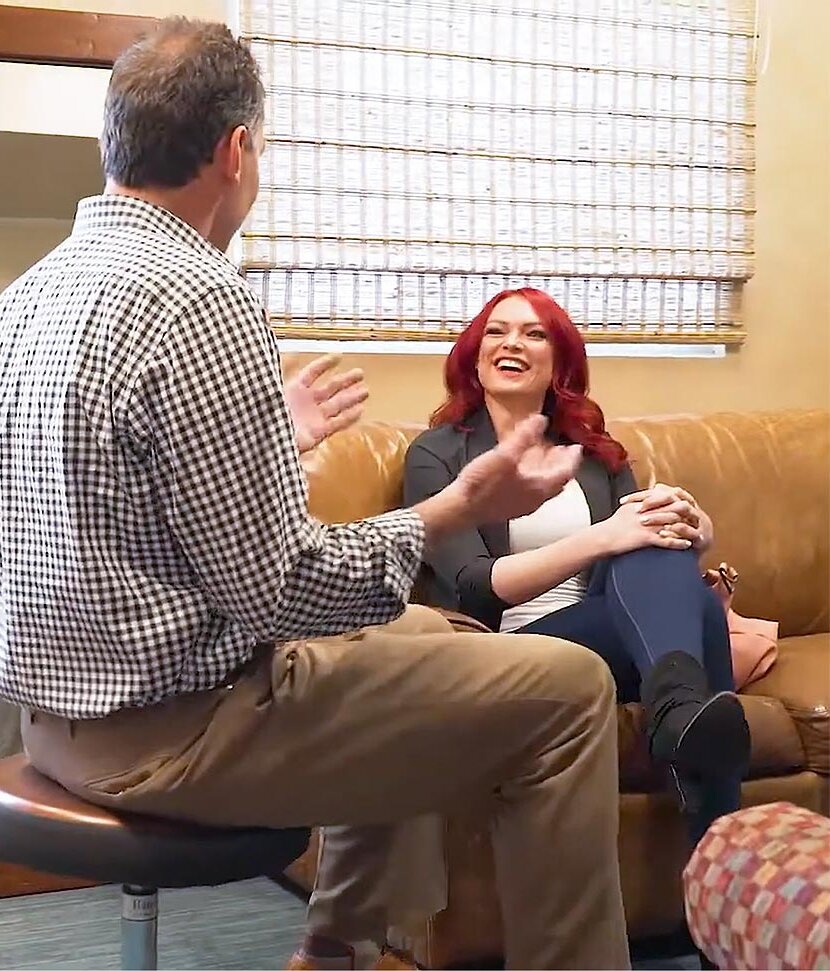
During your consultation, your surgeon will examine your tissue quality, review your surgical history, and listen closely to what you want to change and why it matters to you. From there, you will learn whether reinforcement would meaningfully improve the stability and longevity of your results.
Choosing the Right Support for You
There is no single material that suits every patient, which is why your plan is personalized from the start. The Aesthetica surgical team works with several types of reinforcement.
Some materials are designed to offer lasting reinforcement, while others are absorbed by the body over time after providing temporary support during healing. Your surgeon will explain the tradeoffs and recommend the option best matched to your anatomy and goals. Tissue reinforcement is typically performed alongside other breast revision procedures, such as implant exchange or pocket adjustment, at an accredited surgery center. Depending on the scope of your surgery, the procedure can take anywhere from about one to six hours.
Reinforcement options at Aesthetica
- Biologic matrices, derived from human or animal tissue, which your body gradually incorporates as it heals
- Acellular dermal matrices (ADMs), a type of biologic scaffold that supports tissue integration
- Synthetic mesh, designed to provide durable, longer-term support
Recovery: What to Expect
Before Surgery
Your preparation begins with a pre-operative visit roughly three weeks before surgery, where you will review instructions, sign consent forms, and have photos taken.
Surgery Day
On surgery day, you will arrive about an hour early and rest in recovery until your caregiver takes you home.
After Surgery
Bruising, swelling, and some tightness or tingling are normal in the first days and generally ease over a few weeks. Short walks, staying hydrated, and eating enough protein all help your body heal. Most patients avoid strenuous activity for two to eight weeks, depending on their procedure.
Results
Your breasts will continue to settle, and final results can take up to six months to fully appear. Individual results are not guaranteed and may vary.
Your Surgeons
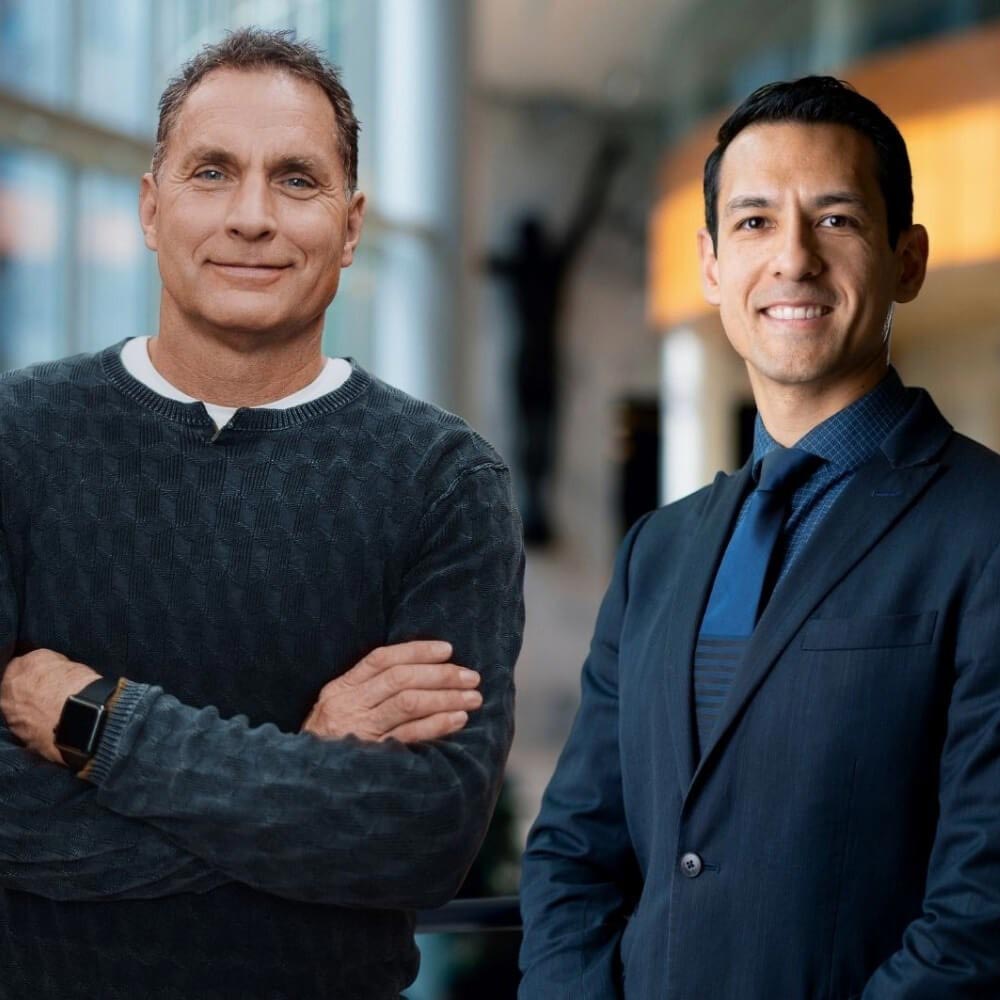
Located in Lindon, Aesthetica Plastic Surgery welcomes breast revision patients from throughout Utah County, the Salt Lake Valley, and Northern Utah.
Dr. Kimball M. Crofts
As a plastic surgeon, my goal is to afford patients the chance to achieve their desired results with surgery.
View Profile: Dr. Kimball M. CroftsDr. Daniel Curiel
Plastic surgeon offering a wide array of cosmetic, reconstructive and aesthetic procedures.
View Profile: Dr. Daniel CurielFrequently Asked Questions
How will I know if I need tissue reinforcement?
Your surgeon will decide together with you during consultation, case by case, based on your tissue quality, surgical history, and goals.
You may benefit from reinforcement if your tissue has weakened or stretched due to prior surgeries, significant weight loss, or aging, or if you are dealing with complications such as implant bottoming out or hernia recurrence. The aim is to support your results, improve healing, and reduce the risk of future complications.
Is reinforcement only used in revision surgery?
It is most commonly used in breast revision, such as surgery for implant malposition, bottoming out, or capsular contracture, but it may also help patients with naturally thin or weakened tissue from prior surgery or aging.
In general, reinforcement is recommended when natural tissue lacks the strength to support a surgical repair or enhancement on its own. Your surgeon will evaluate whether it would add stability, support healing, and help your results last.
What are the benefits of breast tissue reinforcement during revision surgery?
Reinforcement adds support for your implants and the surrounding tissue, helping improve long-term stability and contour. It is often used to strengthen weakened tissue, reduce implant movement, and enhance your overall surgical result.
What is the difference between biologic and synthetic options?
Our surgeons use both, depending on your needs and the goals of your procedure. Biologic materials come from human or animal tissue and integrate with your body over time, providing support while your own tissue strengthens. Synthetic mesh is designed for durable, long-term support, especially when additional structural stability is needed.
During your consultation, your surgeon will recommend the most appropriate material for you.
How long does tissue reinforcement last?
It depends on the material and your individual surgical needs. Some materials are designed to provide lasting support, while others absorb over time after helping your tissue heal. Your surgeon will evaluate your anatomy, medical history, and goals, and explain what to expect from the option recommended for you.
What Breast Tissue Reinforcement Patients Are Saying