
More Than a Change in Shape
For many people, ear shape has shaped years of choices: how to wear your hair, which photos to post, whether to put on a hat. For children, prominent ears can draw unwanted attention at school. For adults, it can be a lifelong self-consciousness that never quite fades.
Ear surgery offers a way to finally stop thinking about it. At Aesthetica Plastic Surgery in Lindon, we approach every otoplasty — for a child, a teen or an adult — with care, patience and a genuine focus on how you or your child want to feel.
What Ear Surgery Can Address
Otoplasty refines the shape, size or position of the ears to create better balance with the rest of the face. It can be performed on one ear or both.
Ear surgery is commonly used to correct:
- Ears that stick out noticeably from the side of the head, whether mildly or significantly
- Ears that are larger than proportional to the face (macrotia)
- Asymmetry between the two ears
Prominent ears are a cosmetic concern and are not associated with hearing loss, so otoplasty focuses entirely on appearance and confidence.


Is Ear Surgery Right for Me or My Child?
Otoplasty is generally appropriate for healthy patients aged 8 and older, when ear cartilage has typically developed enough to be reshaped.
- Children should be in good overall health, without serious medical conditions or untreated chronic ear infections.
- Teens and adults should be in stable health with no conditions that could interfere with healing.
For younger patients, readiness matters too. A child who notices their ears, wants the change and can follow recovery instructions is often well prepared. Your surgeon will talk through this with your family during the consultation.
Your Personalized Otoplasty Plan
There are several techniques for reshaping the ears, and no single approach fits everyone. Your surgeon will evaluate your anatomy and goals during your consultation and recommend the method best suited to you. Throughout surgery, the team prioritizes protecting sensory nerves and keeping incisions minimal and well concealed.
Consultation
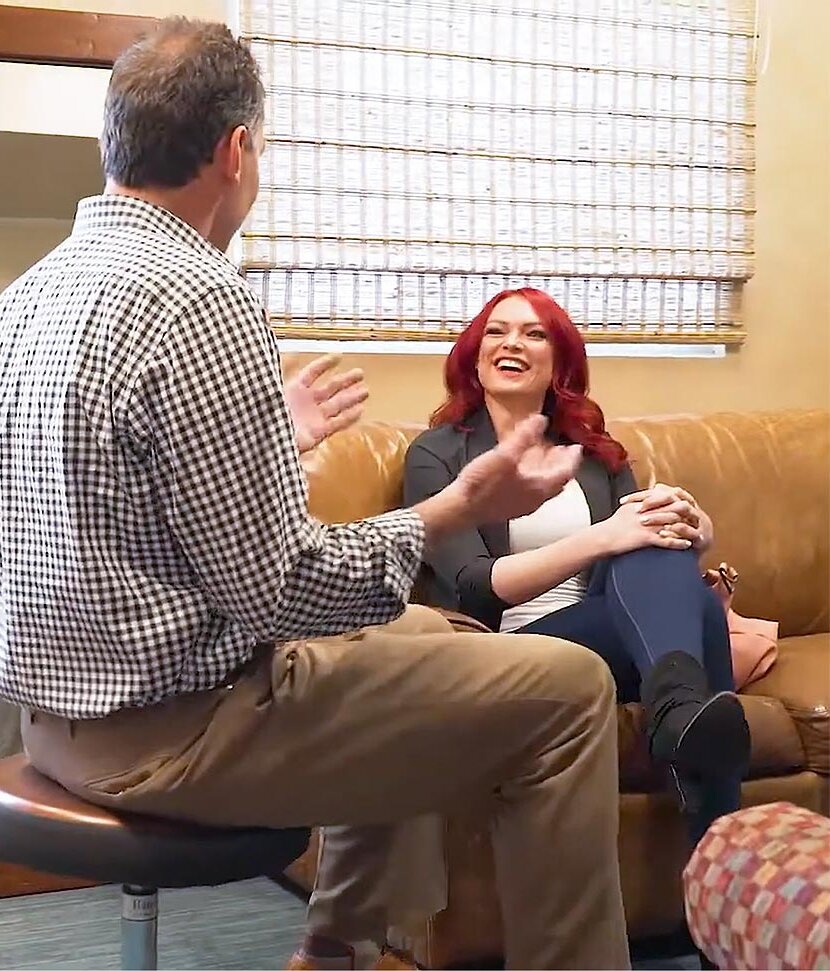
Meet our patient care team to review health history and goals, then sit down with your surgeon to discuss the procedure, recovery and a custom plan. Please wear your hair pulled back so your ears can be fully evaluated.
Pre-op Visit
About three weeks before surgery, you’ll sign consents, ask final questions, receive instructions and have photos taken.
Surgery Day
Arrive at our accredited surgery center about an hour early. Ear surgery typically takes two to four hours and is performed as same-day surgery; you’ll rest in recovery until your caregiver takes you home.
Recovery: What to Expect
After Surgery
Some bruising, swelling and a feeling of pressure or tightness around the ears are normal and ease over the first couple of weeks. Bruising and swelling usually appear within one to three days, and your team may suggest arnica and bromelain to help. Tingling or numbness gradually subsides over several weeks.
Recovery
You’ll wear a protective wrap or ear band day and night for the first two weeks, then at night only for about six more weeks while your ears settle into their new position. During the first two weeks, avoid strenuous activity and don’t lift anything heavier than five pounds. Rest, keep your head elevated, stay hydrated, eat protein and take short walks.
Results
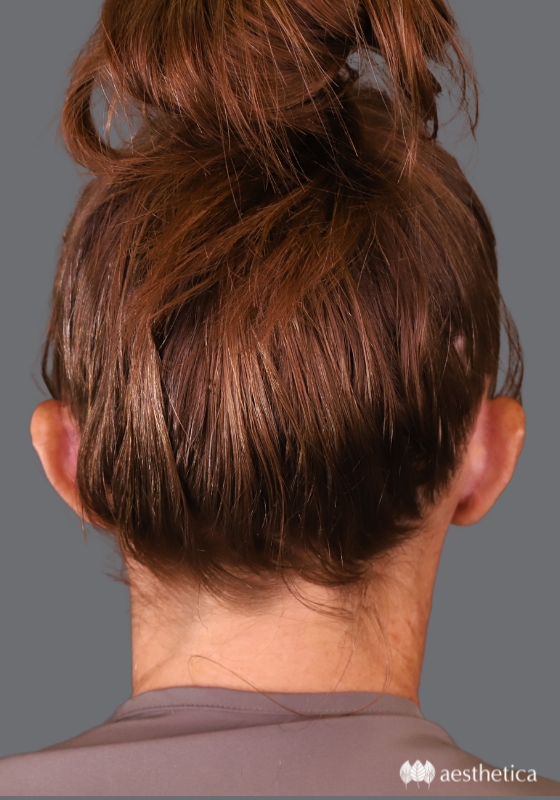
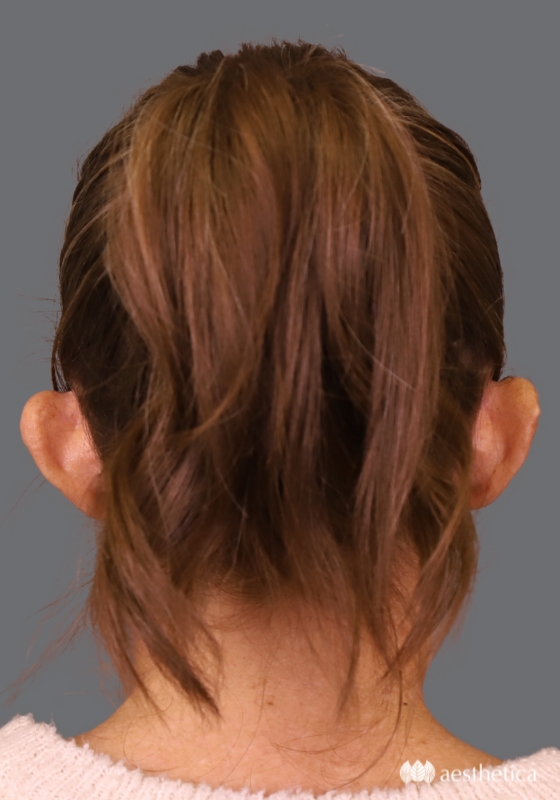
For protruding ears, the improvement is often visible right away once dressings are removed, with continued refinement as swelling resolves. Individual results are not guaranteed and may vary.
Ear Surgery Before & After
Drag the handle to compare each patient’s before and after photos. Individual results are not guaranteed and may vary.
Ear Surgery
View this case: Ear Surgery, case 01038
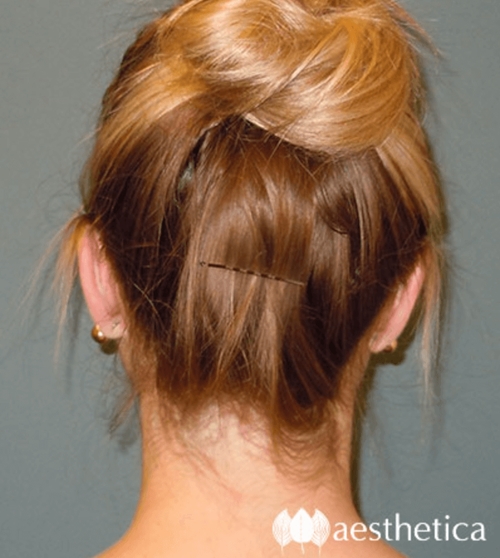
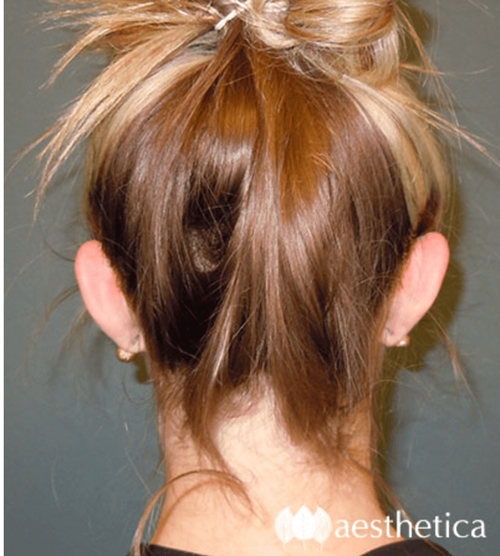
Ear Surgery
View this case: Ear Surgery, case 96723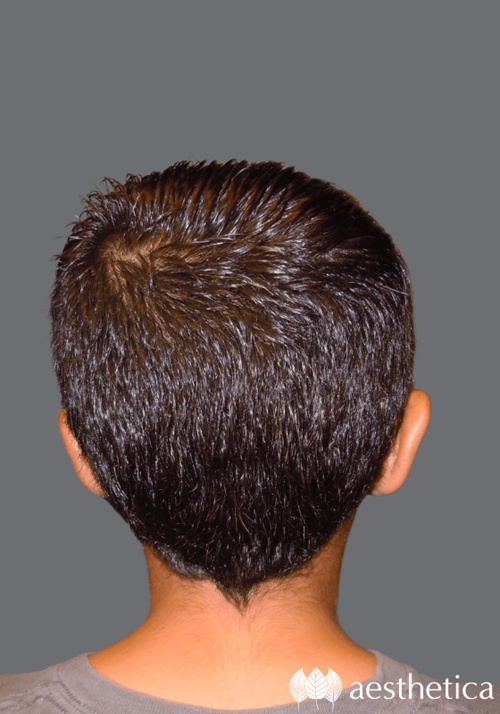
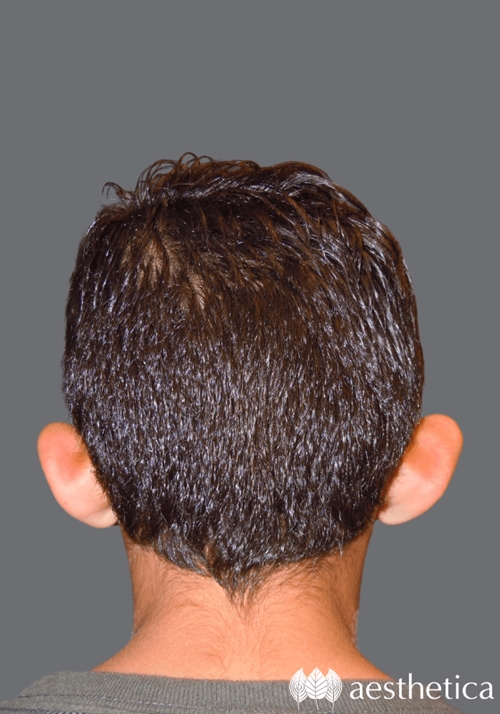
Ear Surgery
View this case: Ear Surgery, case 96724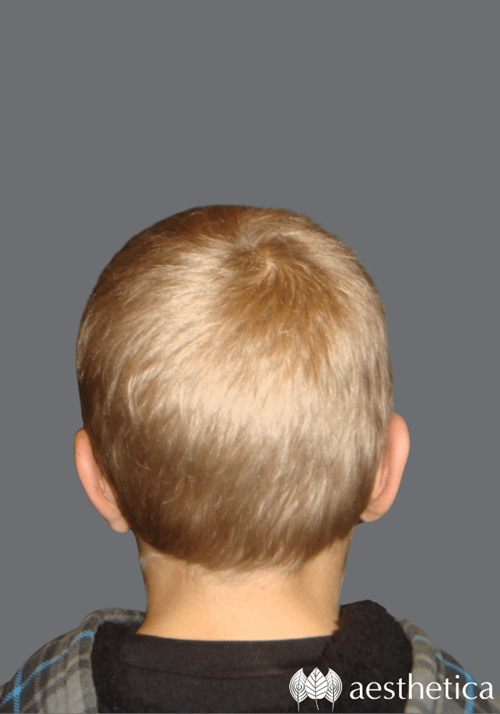
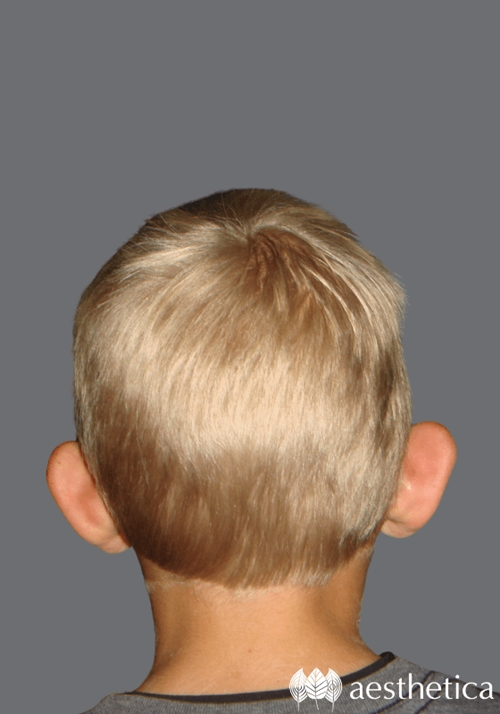
Ear Surgery
View this case: Ear Surgery, case 96722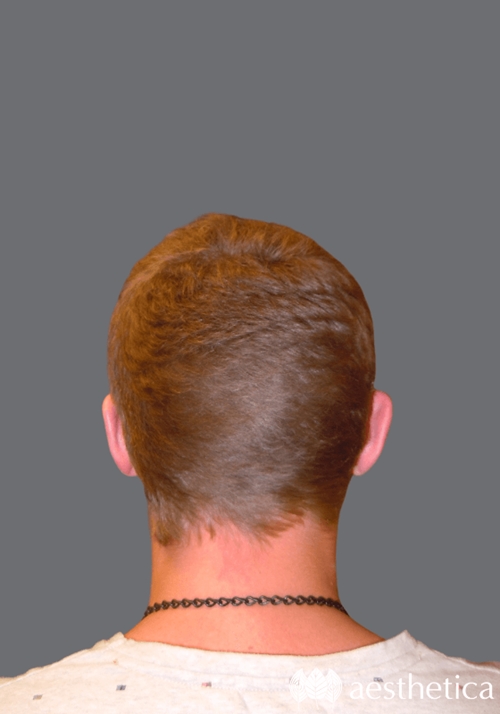
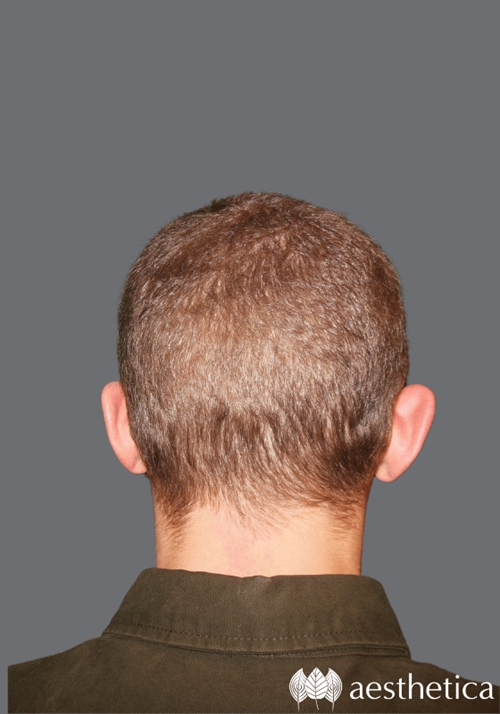
Ear Surgery
View this case: Ear Surgery, case 96721
Your Surgeons
Located in Lindon, Aesthetica Plastic Surgery welcomes ear surgery patients and families from throughout Utah County, the Salt Lake Valley, and communities across Northern Utah.
Dr. Kimball M. Crofts
As a plastic surgeon, my goal is to afford patients the chance to achieve their desired results with surgery.
View Profile: Dr. Kimball M. CroftsDr. Daniel Curiel
Plastic surgeon offering a wide array of cosmetic, reconstructive and aesthetic procedures.
View Profile: Dr. Daniel CurielFrequently Asked Questions
What concerns can ear surgery address?
Ear surgery is commonly used to correct:
- Ears that are larger than proportional to the face, a condition called macrotia
- Ears that protrude on one or both sides, whether mildly or significantly
- Asymmetry between the two ears
Protruding ears are not associated with hearing loss, so otoplasty focuses on appearance and confidence.
Who is a good candidate for ear surgery?
Ear surgery is generally appropriate for healthy patients aged 8 and older, when ear cartilage has typically developed enough to be reshaped. Children should be in good overall health, without serious medical conditions or unresolved chronic ear infections. Teens and adults should be in stable health, free from illnesses or medical issues that could interfere with healing and recovery.
What is the youngest age for ear surgery?
Otoplasty is generally appropriate from age 8, when the ear cartilage has usually developed enough to be reshaped. Teens and adults can have ear surgery at any age if they’re in good health.
At what age do Salt Lake City patients typically consider ear surgery?
Ear surgery is commonly performed on children and teens, but many adults also choose it later in life to improve ear symmetry or correct a concern that has affected their confidence for years. Patients from Salt Lake City and throughout Northern Utah often consider ear surgery once they feel ready for a more balanced facial appearance.
Will ear surgery affect my hearing?
Otoplasty reshapes the outer ear for appearance; prominent ears are not associated with hearing loss. Your surgeon will review any questions about your ear health at consultation.
When will I see results?
For protruding ears, the change is often visible immediately after surgery. Your final contour becomes clearer as swelling settles over the following weeks.
How long is recovery after ear surgery?
Recovery is often easier than patients expect. For the first two weeks, avoid strenuous activity and don’t lift anything heavier than five pounds. You’ll wear an ear band day and night for those first two weeks, then at night only for an additional six weeks.
How long will I need to wear the ear band?
Plan on wearing it day and night for the first two weeks, then at night only for roughly six more weeks.
How much does ear surgery cost, and is financing available?
Cost depends on your individual plan, and you’ll receive a detailed surgical quote after your consultation. We offer 0% interest financing on qualifying procedures.