

Love Your Profile Again
Maybe it’s a photo taken from the side. Maybe it’s the way a video call catches you looking down. For many people, the neck is the first place time shows up — and the hardest place to hide it. Loose skin, fullness under the chin or vertical bands can make you look older or heavier than you feel.
A neck lift is designed to restore definition where it matters most: the line from your chin to your collarbone. At Aesthetica Plastic Surgery in Lindon, we start by learning what bothers you and how you want to feel when you see yourself from every angle.
What a Neck Lift Addresses
A neck lift treats the three main contributors to an aging neck. Your surgeon tightens the underlying muscle, removes or repositions excess fat, and redrapes the skin for a firmer, smoother contour.
A neck lift can help with:
- Loose, crepey or hanging skin beneath the chin
- Stubborn fat that blurs the angle between jaw and neck
- Visible vertical bands caused by separated platysma muscles
- A softened jawline that no longer looks crisp in profile


Is a Neck Lift Right for Me?
You may be a strong candidate if your main concerns sit below the jawline and you’re in good general health. Patients who are also bothered by jowls or deeper folds around the mouth may be better served by a facelift, or a facelift and neck lift together — a neck lift alone focuses on the neck, while a facelift reaches into the lower face.
Being nicotine-free matters, too. Smoking and nicotine slow healing, so you’ll need to stop all nicotine products at least four weeks before surgery. Your consultation is the place to talk honestly about your health, your goals and the approach that fits.
Your Personalized Neck Lift Plan
Personalized treatment plans — no cookie-cutter approaches. Your surgeon designs your neck lift around your anatomy, with careful attention to the platysma muscle, protection of sensory and motor nerves, and incisions placed to keep scarring as discreet as possible.
Many patients pair a neck lift with…
- Renuvion, which uses helium plasma and radiofrequency energy for additional soft-tissue tightening
- Facelift, for the jowls and lower face
- Brow lift or blepharoplasty, for a refreshed upper face and eyes
Recovery: What to Expect
Before Surgery
Preparing well helps you heal well. In the weeks before surgery, you’ll stop nicotine (four weeks prior), alcohol (up to one week prior), and NSAIDs such as ibuprofen and aspirin, other blood-thinning medications and GLP-1 injections (two weeks prior). A protein-rich diet and good hydration set you up for recovery.
Surgery Day
On surgery day, you’ll arrive at an accredited surgery center about an hour early. A neck lift typically takes four to six hours, and you’ll rest in recovery until your caregiver takes you home.
After Surgery
You’ll go home with a dressing that extends from under your chin to the top of your head; it stays on until your next-day visit with our team. If drains are placed, they’re usually removed at that first follow-up.
Recovery
Bruising and swelling generally appear within one to three days. Sleep with your head elevated for the first several days, walk often, drink plenty of fluids and eat protein. Your team may recommend arnica and bromelain to help bruising settle. Tightness, tingling and numbness ease over the following weeks.
Activity
Plan to avoid strenuous activity and lifting more than 10 pounds for two to three weeks. You may wear a compression wrap day and night for the first two weeks, then at night for about six more weeks.
Results
Neck lift results typically last 10 to 15 years, though natural aging continues. Sun protection, avoiding smoking, a stable weight and good skincare all help preserve your result. Individual results are not guaranteed and may vary.
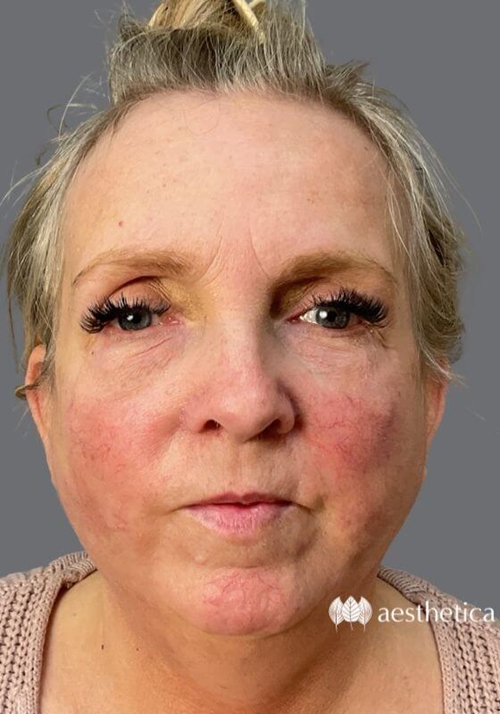
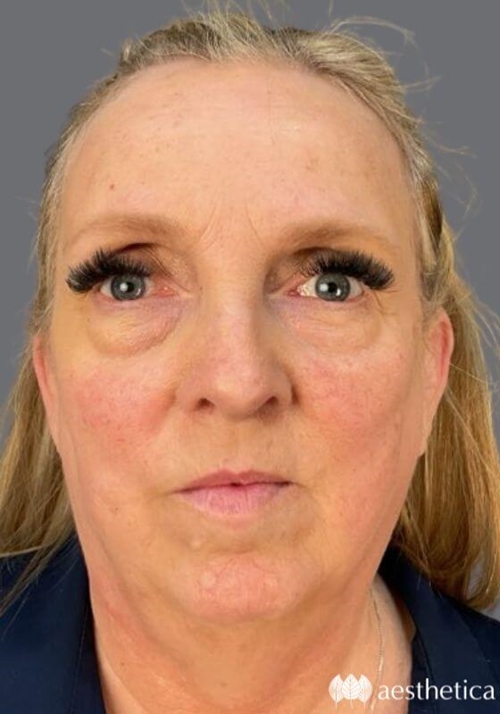
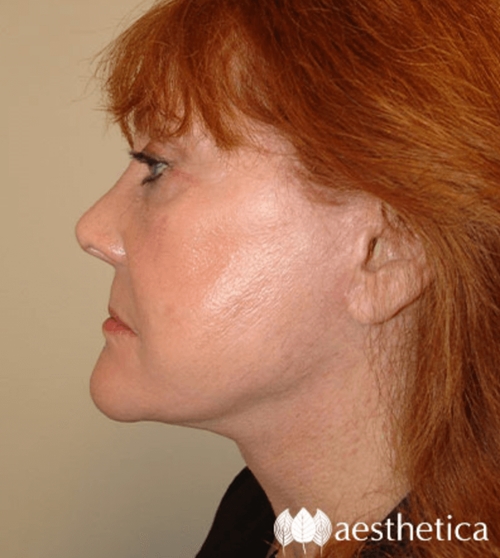
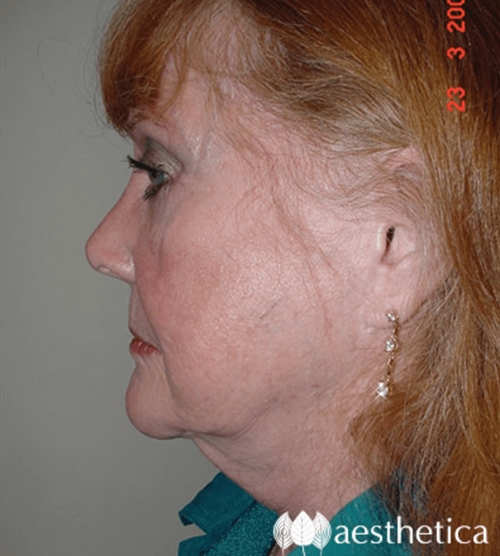
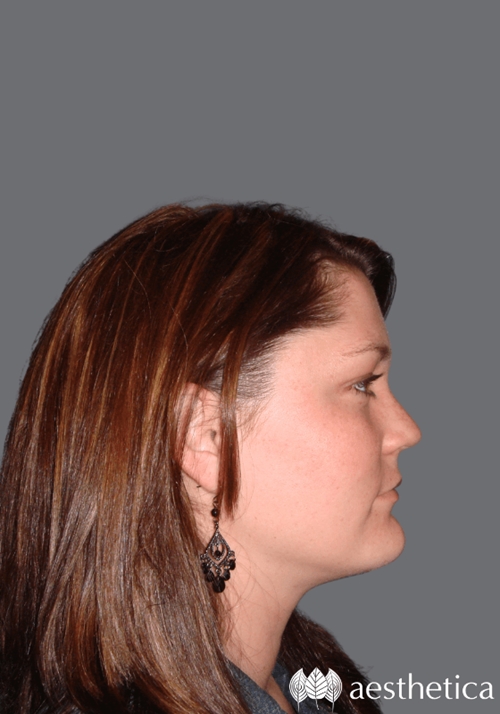
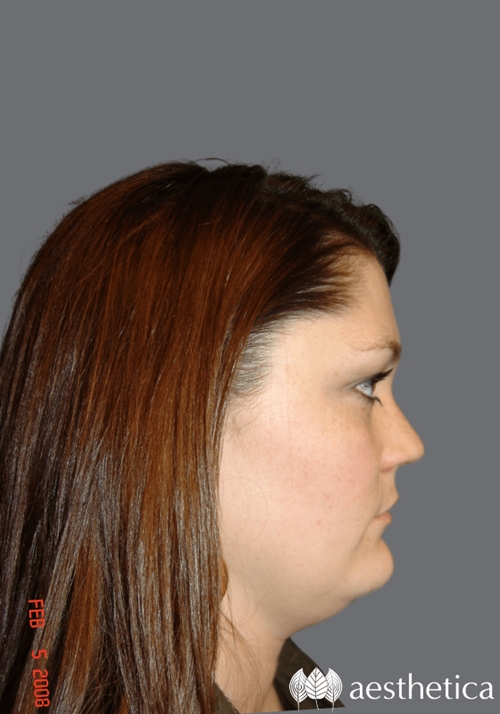
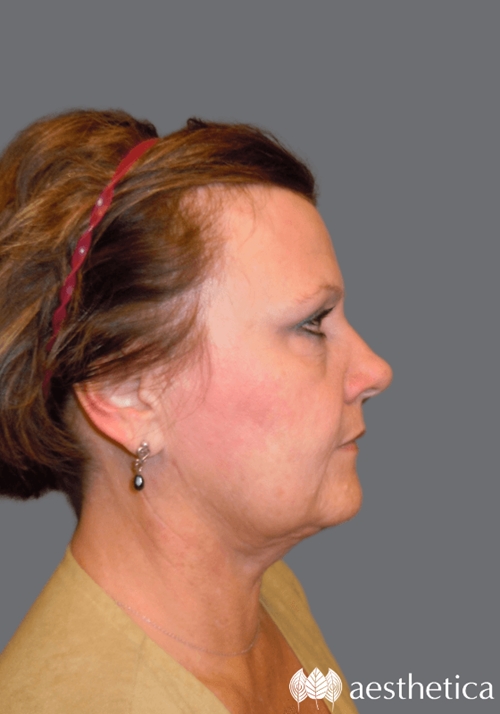
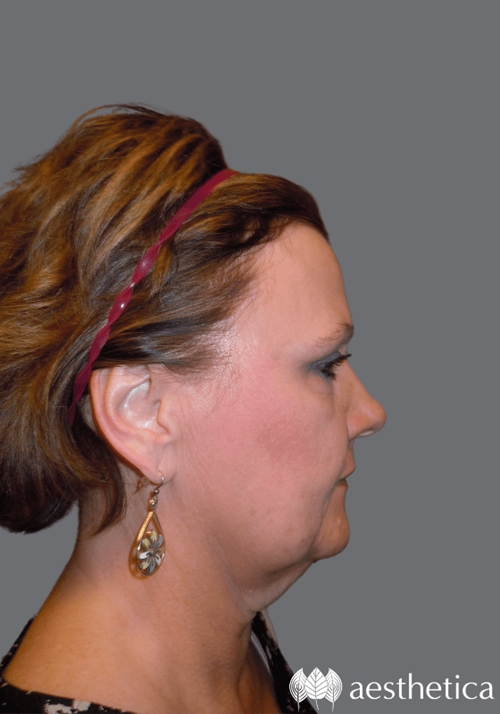
Neck Lift Before & After
Drag the handle to compare each patient’s before and after photos. Individual results are not guaranteed and may vary.


Your Surgeons
Located in Lindon, Aesthetica Plastic Surgery welcomes neck lift patients from throughout Utah County, the Salt Lake Valley, and communities across Northern Utah.
Dr. Kimball M. Crofts
As a plastic surgeon, my goal is to afford patients the chance to achieve their desired results with surgery.
View Profile: Dr. Kimball M. CroftsDr. Daniel Curiel
Plastic surgeon offering a wide array of cosmetic, reconstructive and aesthetic procedures.
View Profile: Dr. Daniel CurielFrequently Asked Questions
Will a neck lift also improve my jowls?
A neck lift focuses on loose skin, fat and muscle bands in the neck. Jowls and the lower face are addressed with a facelift, which can also treat the neck, and many patients combine the two.
How does a neck lift help create a more youthful profile for Salt Lake City patients?
Whether you’re coming from Salt Lake City or from here in Utah County, a neck lift can give you a smoother, more youthful profile by reducing loose skin and restoring definition along your jawline and neck. Many patients choose it to address visible signs of aging that can make them look more tired or heavier than they feel.
How long do neck lift results last?
Results typically last 10 to 15 years. Aging continues, but protecting your skin from sun, avoiding smoking and keeping a stable weight help your result last. A good skincare routine that includes daily sunscreen helps, too.
Can I combine a neck lift with other procedures?
Yes. Neck lifts are often paired with Renuvion skin tightening, which uses helium plasma and radiofrequency energy for additional soft-tissue tightening, or with a facelift, a brow lift or eyelid surgery. Your surgeon will help you decide what makes sense for your goals.
How do I prepare for a neck lift?
Stop smoking and all nicotine products four weeks before surgery, and avoid alcohol for up to a week beforehand. Two weeks before surgery, stop NSAIDs such as ibuprofen and aspirin, any other medications that increase bleeding risk, and GLP-1 injections. Don’t start any new medication without letting your surgeon know. Eat a protein-rich diet and drink plenty of fluids in the lead-up to surgery, don’t eat or drink anything after midnight the night before, and follow all the instructions you receive at your pre-operative appointment.
What is recovery like?
Mild to moderate bruising and swelling usually develop within the first few days. Sleep with your head elevated for the first several days. You may be asked to wear a compression wrap day and night for the first two weeks, then at night for an additional six weeks. Avoid strenuous activity, including lifting more than 10 pounds, for two to three weeks after surgery.
When can I get back to exercise?
Plan to avoid strenuous activity and lifting more than 10 pounds for two to three weeks. Your surgeon will clear you to return to full activity.